 Skip to content
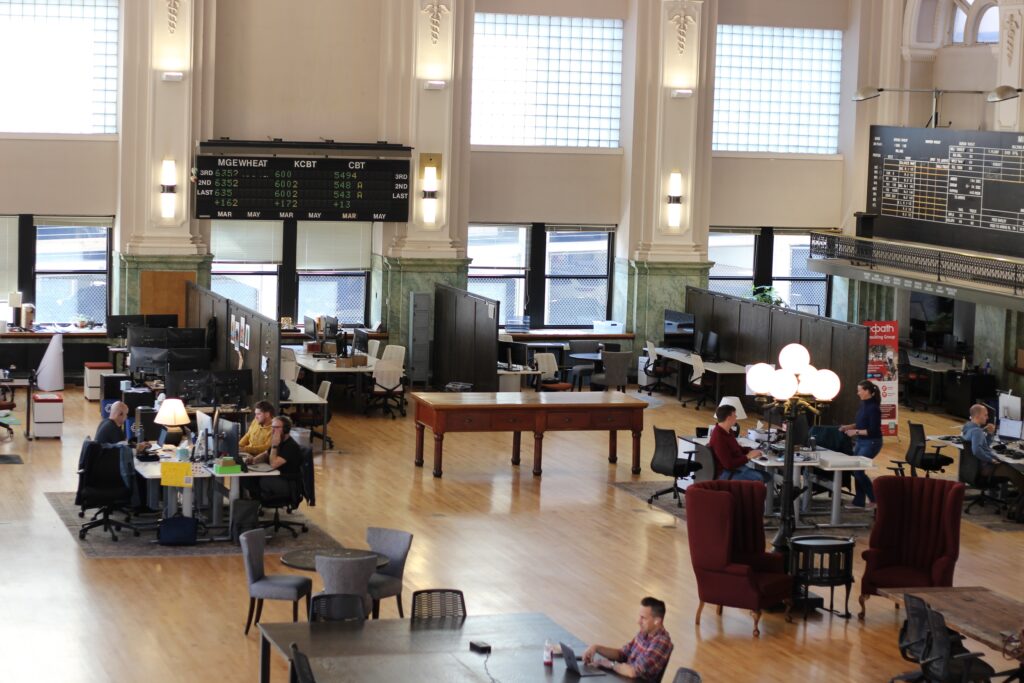

Gen Z isn’t just looking for a job; they’re looking for belonging. For Minneapolis businesses planning for 2026 and beyond, understanding their need for authentic community is the key to closing the ‘Office Experience Gap’ they face. At Coco, we’ve observed firsthand how these youngest professionals—born between 1997 and 2012—are bringing fresh perspectives on belonging that differ significantly from previous generations, while simultaneously facing unique challenges in their professional development.
The Gen Z Workplace Paradox
Unlike their predecessors, Gen Z entered the workforce during unprecedented disruption—navigating remote onboarding, hybrid work models, and economic uncertainty. This unique entry point has created a paradoxical situation: a generation with sophisticated digital collaboration skills but potentially significant gaps in fundamental workplace experiences.
The Experience Gap: What Remote-First Gen Z Professionals Are Missing
For many Gen Z professionals who graduated during the pandemic, their first job came with a laptop shipped to their home rather than a desk in an office. This remote-first introduction to professional life has created what many workplace experts now call the “Office Experience Gap”—a deficit of critical professional development experiences that previous generations acquired naturally:
Serendipitous Innovation: The spontaneous collisions that spark creativity often happen in shared physical spaces—a conversation by the coffee machine that evolves into a breakthrough idea, or an overheard discussion that connects previously separate concepts. In Minneapolis coworking spaces and private offices, we regularly witness these “happy accidents” that rarely occur in scheduled Zoom meetings.
As one Twin Cities employer explained: “Our Gen Z team members are incredibly talented, but they don’t know what they’re missing in terms of spontaneous collaboration. We’ve started using flexible workspace memberships to create those opportunities.”
Relationship Building: Professional relationships formed entirely through screens often lack the depth and dimension of those developed through shared physical experiences:
- Mentorship relationships that develop through casual observations and impromptu conversations
- Trust-building that happens through shared experiences beyond formal meetings
- Professional networks that expand organically through in-person introductions
- Social capital development that occurs through informal interactions
Professional Identity Formation: Learning to navigate workplace dynamics, understand organizational culture, and develop a professional presence happens most effectively through immersion and observation—experiences that are difficult to replicate in virtual environments.
A 25-year-old marketing professional who recently joined our Downtown Minneapolis location shared: “After working remotely for two years, I realized I had no idea how to ‘read the room’ in client meetings or how to navigate office politics. Working from a shared workspace part-time has been like an accelerated professional development course.”
How Gen Z Is Redefining Workplace Community
Despite—or perhaps because of—these challenges, Gen Z is actively reshaping expectations around workplace community in several distinctive ways:
Authenticity Over Formality
For Gen Z professionals, the carefully curated workplace personas of previous generations feel increasingly obsolete. Our youngest members consistently prioritize environments where they can bring their whole selves to work—seeking flexible office spaces and coworking memberships that accommodate personal expression, diverse perspectives, and genuine interaction.
In Minneapolis private offices and coworking environments, this translates to growing demand for:
- Flexible dress codes that allow for self-expression while maintaining professionalism
- Personalized workspace options that can be customized to reflect individual preferences
- Community events that celebrate diverse interests beyond traditional networking
Digital-Physical Integration
While often characterized as digital natives, Gen Z’s approach to workplace community reveals a more nuanced reality. Rather than preferring purely virtual interaction, they seek seamless integration between digital and physical connection—expecting community to transcend location.
This manifests in shared workspaces and on-demand meeting rooms through:
- Community apps that facilitate connection before and after in-person interactions
- Hybrid event formats that accommodate both remote and in-person participation
- Digital community boards that extend conversations beyond physical meetings
Purpose-Driven Collaboration
Perhaps most distinctively, Gen Z professionals seek coworking communities and team packages that align with their values and facilitate meaningful work. Our members from this generation consistently prioritize environments where they can connect with others around shared purpose.
This has led to increased interest in:
- Mission-focused workspace communities that bring together like-minded professionals
- Social impact programming that allows members to collaborate on community initiatives
- Skill-sharing platforms that facilitate mutual growth and development
The Generational Contrast: How Expectations Differ
To understand the full impact of Gen Z’s approach to workplace community, it’s helpful to contrast their expectations with those of previous generations who currently share flexible workspace environments and day offices:
Gen X (Born 1965-1980): Work-Life Separation
Gen X professionals typically entered the workforce with clear boundaries between professional and personal life. Their approach to workplace community often emphasizes:
- Efficiency-focused networking with clear professional objectives
- Structured community events with defined purposes and outcomes
- Privacy and autonomy within shared environments
For many Gen X members, the ideal coworking space or private office provides professional community without encroaching on personal boundaries—a stark contrast to Gen Z’s preference for authenticity and integration.
Millennials (Born 1981-1996): Work-Life Integration
Millennials pioneered many workplace changes that Gen Z is now evolving. Their approach to community typically features:
- Experience-driven environments that make work feel less like “work”
- Social connection as a primary workplace benefit
- Collaborative spaces designed for teamwork and interaction
While millennials pushed for more humane and engaging workplaces, they generally had the benefit of starting their careers in traditional environments before transitioning to more flexible arrangements—a foundation many Gen Z professionals lack.
Bridging the Gap: How Employers Can Support Gen Z Professional Development
Forward-thinking organizations are discovering that flexible workspace solutions and coworking memberships offer an effective bridge between remote work flexibility and the critical in-person experiences Gen Z needs for professional development:
1. Intentional In-Person Experiences
Rather than mandating full-time office returns, innovative employers are creating purposeful in-person experiences through:
- Team days in reserved meeting rooms or day offices that focus on relationship building
- Mentorship programs that include regular face-to-face sessions in shared spaces
- Innovation workshops held in collaborative environments designed to spark creativity
A Minneapolis tech company recently shared how they use on-demand meeting spaces at Coco for quarterly “innovation days” that bring their otherwise remote team together specifically for ideation and relationship building.
2. Hybrid Onboarding Programs
Recognizing the unique needs of Gen Z employees, companies are developing hybrid onboarding experiences that include:
- Initial weeks in a physical workspace to build relationships and absorb company culture
- Gradual transition to more flexible arrangements once foundational relationships are established
- Regular in-person touchpoints throughout the first year of employment
3. Community-Based Professional Development
Rather than leaving Gen Z employees to navigate professional development in isolation, organizations are leveraging coworking communities and shared office spaces to provide:
- Access to diverse professionals across industries who can serve as informal mentors
- Accelerated Soft Skills: Opportunities to practice professional presence and ‘read the room’ in low-stakes, shared workspace environments.
- Opportunities to practice professional presence in low-stakes environments
The Practical Impact: How Coworking Spaces Are Evolving
As understanding of Gen Z’s unique needs grows, flexible workspace providers and meeting space venues across Minneapolis are adapting their offerings:
1. Community-First Design
The most forward-thinking coworking spaces and private office providers now design physical environments around community formation rather than treating it as an afterthought. This includes:
- Varied collaboration zones that support different types of interaction
- Community hubs positioned centrally within floor plans
- Technology integration that facilitates connection across physical and digital realms
At Coco’s Downtown Minneapolis and Northeast Minneapolis locations, we’ve redesigned our community spaces to create more organic interaction opportunities—recognizing that Gen Z members value spontaneous connection over forced networking.
2. Professional Development Programming
Beyond physical space, meeting room providers and coworking communities are evolving their event calendars to address the experience gap:
- Workplace etiquette workshops that address unspoken professional norms
- Cross-generational mentorship programs that connect members across experience levels
- “Office culture” simulations that help remote workers navigate in-person dynamics
These programs create safe spaces for Gen Z professionals to develop the skills that previous generations acquired through daily office immersion.
3. Hybrid-Ready Infrastructure
Recognizing that the future is hybrid for most organizations, leading workspace providers and virtual office services are developing infrastructure that supports seamless transitions between remote and in-person work:
- Tech-enabled meeting rooms that connect in-person and remote participants equally
- Digital-physical community platforms that maintain connection between visits
- Flexible membership options and day passes that accommodate varying in-person schedules
Guidance for Employers: Supporting Gen Z Workplace Development
For organizations looking to support Gen Z team members in developing critical professional skills while honoring their desire for flexibility, consider these strategies:
- Provide access to professional communities through coworking memberships or shared workspace arrangements
- Create intentional in-person experiences focused on relationship building and collaborative innovation
- Establish mentorship connections that include regular face-to-face interaction
- Recognize and address the experience gap explicitly in professional development plans
- Leverage flexible workspace options and on-demand meeting rooms as a middle ground between remote work and traditional offices
Advice for Gen Z Professionals: Maximizing Your Professional Development
If you’re a Gen Z professional navigating the early stages of your career in a primarily remote environment, consider these approaches:
- Seek out “third spaces” like coworking environments and day offices where you can observe diverse professionals in action
- Establish regular in-person touchpoints with colleagues and mentors, even if your role is primarily remote
- Pay attention to the subtle professional norms that aren’t taught in training sessions
- Build relationships beyond your immediate team through professional communities
- Recognize what might be missing in a fully remote experience and proactively seek those elements
The Future of Workplace Community
As we look toward 2026, the most successful organizations will be those that create intentional bridges between the flexibility Gen Z values and the in-person experiences they need for complete professional development. Minneapolis coworking spaces, private offices, and flexible workspace providers are uniquely positioned to facilitate this balance—offering environments where digital natives can develop the full spectrum of professional skills while maintaining the autonomy they prize.
For businesses considering their workplace strategy, understanding Gen Z’s unique position isn’t just about accommodating preferences—it’s about ensuring this generation develops the complete professional toolkit they’ll need to lead organizations into the future.
At Coco, we’re committed to creating environments where professionals across generations can connect authentically, collaborate meaningfully, and build the relationships that make work more fulfilling. As workplace needs continue to evolve, we’ll be here to provide the flexible workspaces, meeting rooms, and community programming where innovation happens, relationships form, and careers flourish—one serendipitous interaction at a time.
Ready to give your Gen Z talent the in-person foundation they need to lead? Explore our team packages and book a set of private office spaces for your next intentional in-person session.